
Structuring Unstructured
Data in Finance

Structuring Unstructured
Data in Finance

Re desinging an
Evaluation process for the mining site

User Case

Team

My role: UI/UX Designer
Engineering team: Frontend and Backend Developer, Python and React
Product team: Me, CEO and CTO
Client team: Finance team

My Role: UI/UX Designer
Engineering team: Frontend and Backend Developer
Project Manager
Stakeholders

What was our process?

  1. External Kisck Off meeting- Stakeholder and User interview in 1! Clap-Clap

  2. Internal Kick off meeting- Onboard all team members!

  3. We already Know the user and business need from 1st meeting.

  4. And we are good to deep dive into user flow…

  5. User stories…

  6. Acceptence criteria…

  7. Technical Constraints meeting- few times!

  8. meanwhile Design Exploration… Testing…Itteration… Testing…Done! Handing off.

flowchart LR
    A[Worker Spreadsheet] --> B[Aggregation]
    B --> C[CSV Build]
    C --> D[Invoice Generation in Netsuite]
    D --> H[Manual Review]
    H --> I[Send Invoices]


Lets understand what is Unstructured data

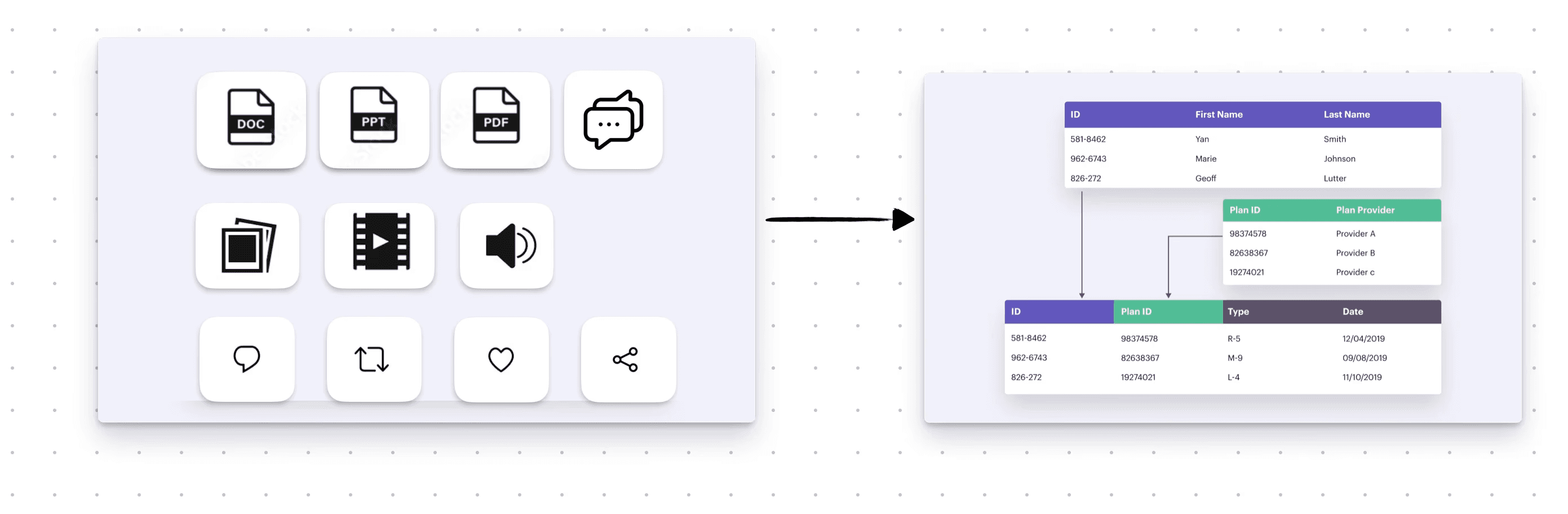
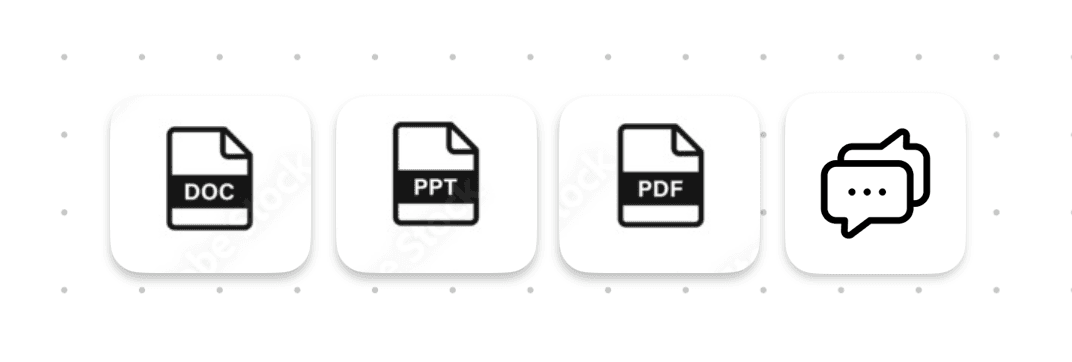
  • it can be Text documents, including chats, PDFs, and presentations
  • Social media data, like posts, tweets, and comments

  • Media like audio, images, and video


Now, what is Structured data?

Structured data is information stored in a predefined field, like the cell of a table, spreadsheet

  • Names

  • Dates

  • Email addresses

  • Sales and other financial transactions

  • Online form submissions

So the client: Oilrise hires workers for the Oil and Gas companies.
1. They receives invoices (Unstructured Data) from workers ->
2. Then manually edit data data to the spreadsheet (Structured data)
3. And then upload to Netsuite to send invoices to the companies

The challenge: They need automation! Everything is manual and
mismatches still occur.

Solution need: A robust, automated workflow that could convert diverse,
unstructured data inputs into a standardized format
that is easy to process and analyze. This workflow needed to ensure data
accuracy and consistency by comparing the structured data with the original
unstructured data to identify and highlight discrepancies


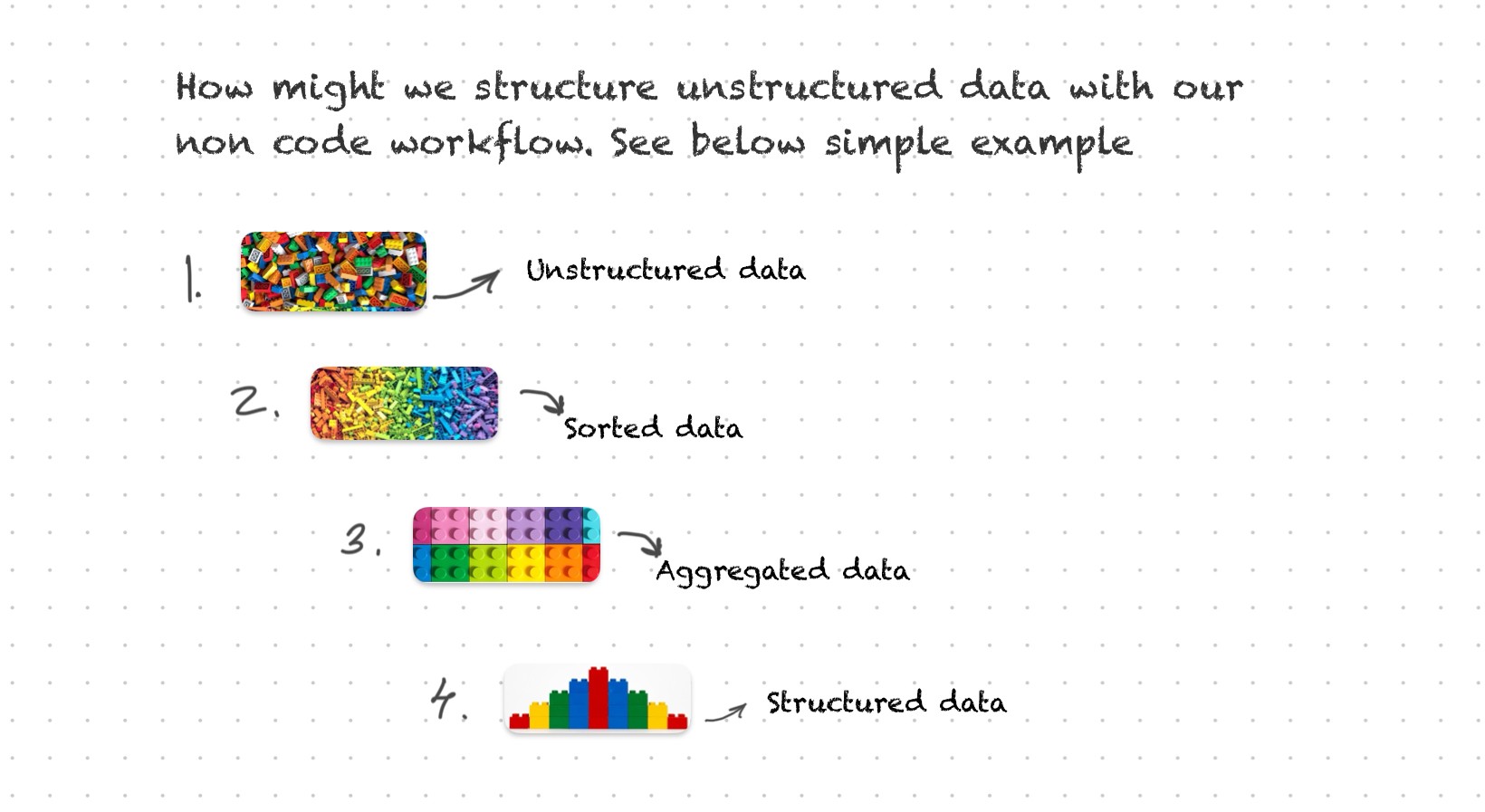
How Might We…
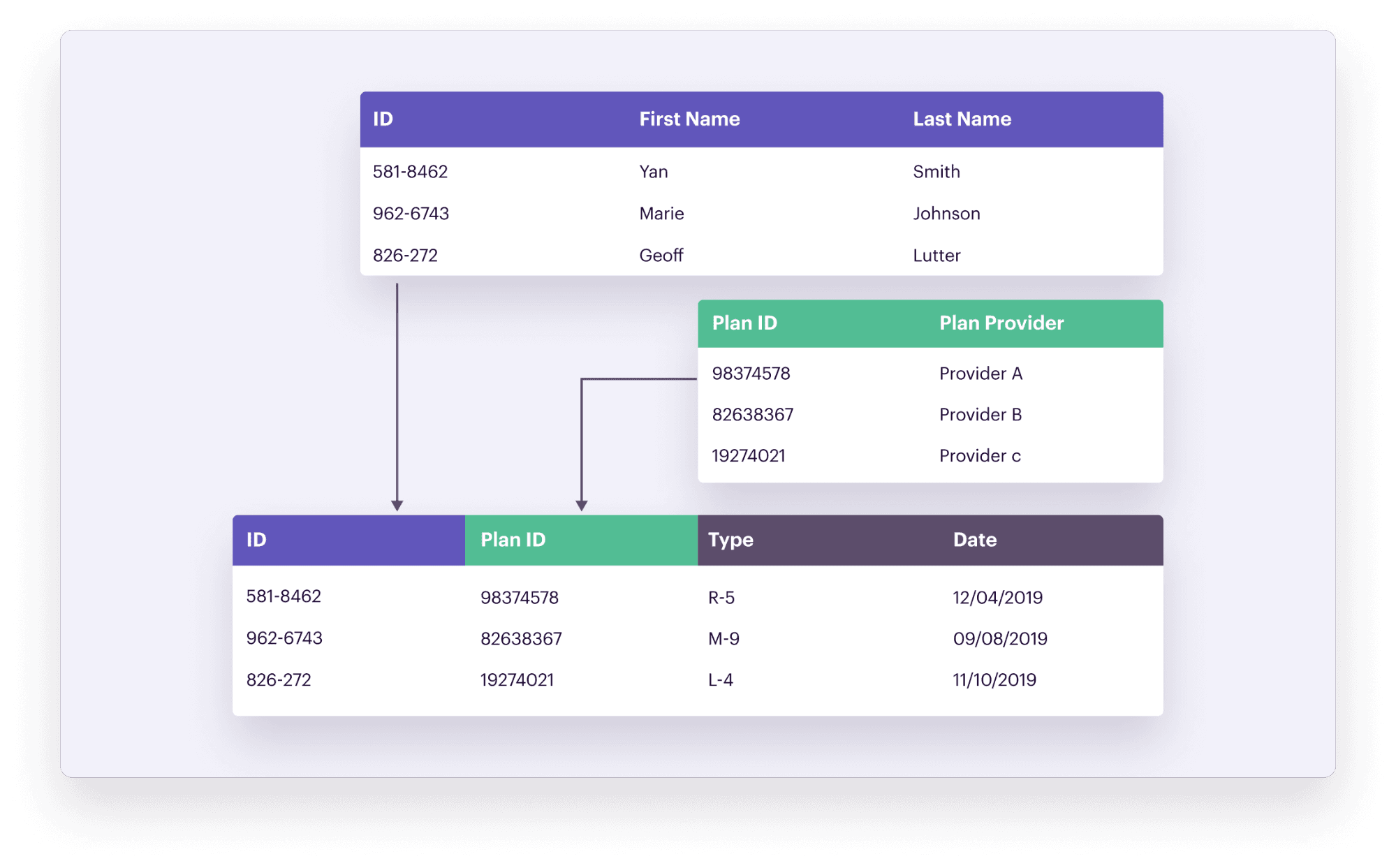
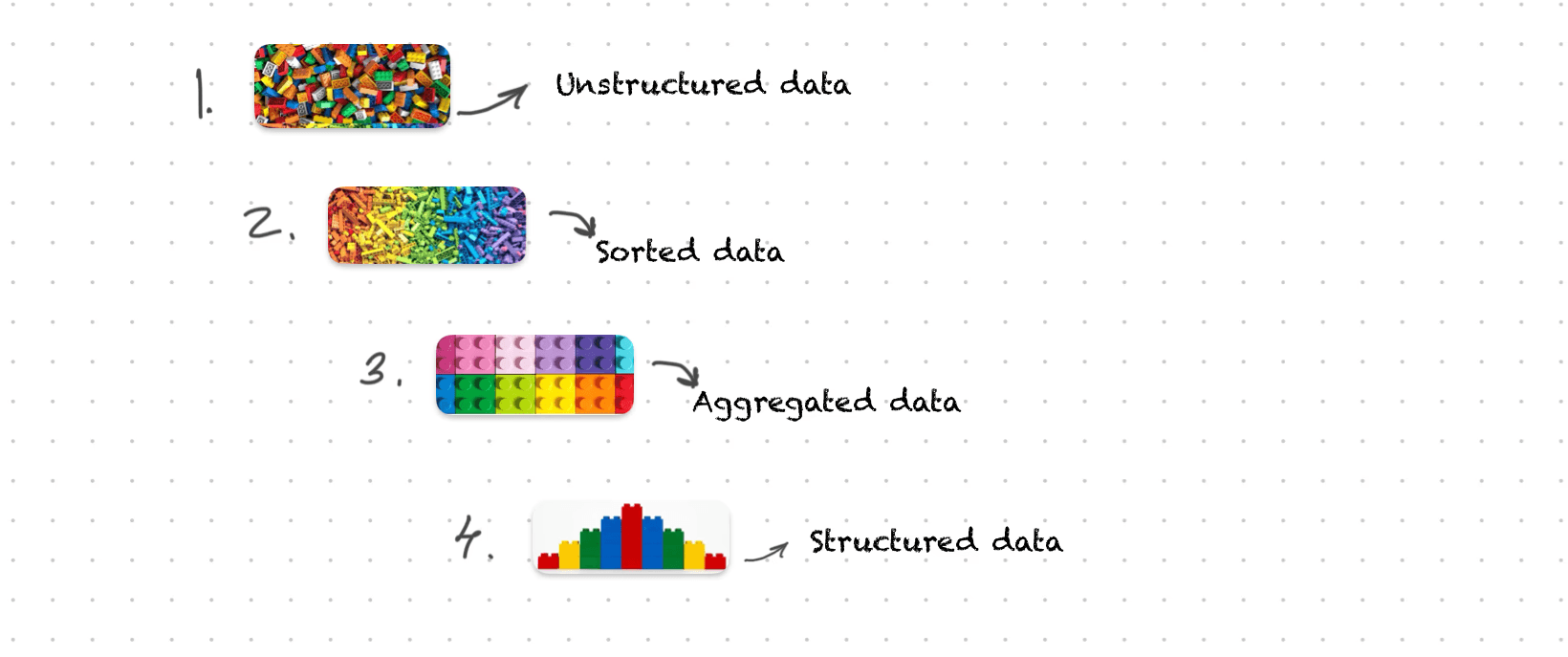
Structure Unstructured data like below with our no code workflow builder:


How Might We…
Structure Unstructured data like below with our no code workflow builder:

Lets have a look what we need to do in order to
implement workflow feature for them!

1 step: Data Trasnformation

Unstructured to Structured Data:

Titanium's powerful algorithms seamlessly converted unstructured data into a standardized format, ensuring consistency across all data sets.

Schema Application:

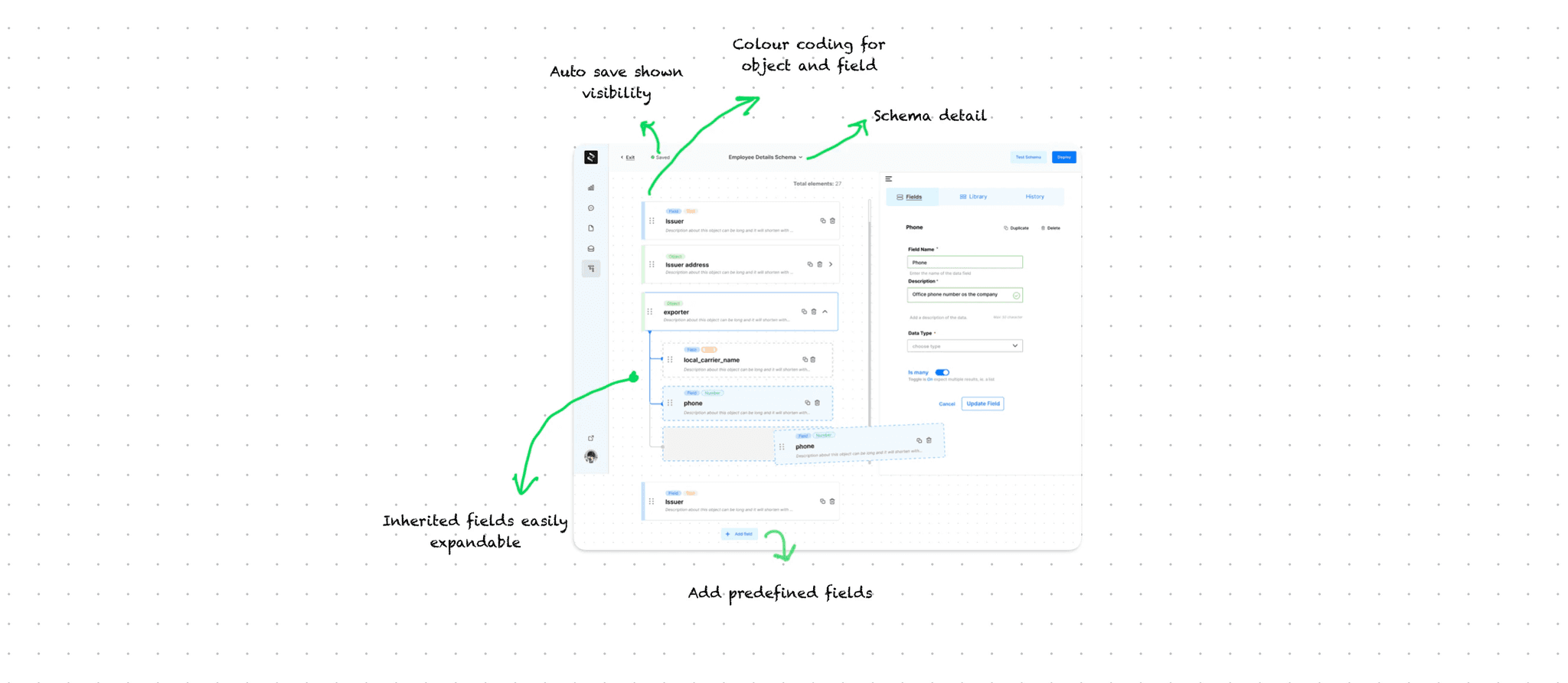
Customized schemas were applied to map and transform data fields accurately, tailored to specific client requirements.

2 step: Data Comparison

Detailed Reports:

Comprehensive reports provided insights into the nature and extent of discrepancies, helping in fine-tuning the transformation process.

Highlighting Discrepancies:

Comparison tool identified and highlighted discrepancies between the original unstructured data and the transformed structured data.

Scalable Solution:

Our workflow handled multiple data files simultaneously, processing batches for various customers efficiently.

Custom Outputs:

Customer-specific outputs were generated, ensuring each client received data tailored to their needs.

3 step: Audit Trail

Transparent Documentation:

Every step of the workflow was meticulously documented. Users could see detailed logs of all actions, transformations, and comparisons.

Compliance and Reporting:

Downloadable audit reports ensured transparency and compliance with industry regulations.

How I influenced a product
decision using user data

How I influenced a product
decision using user data

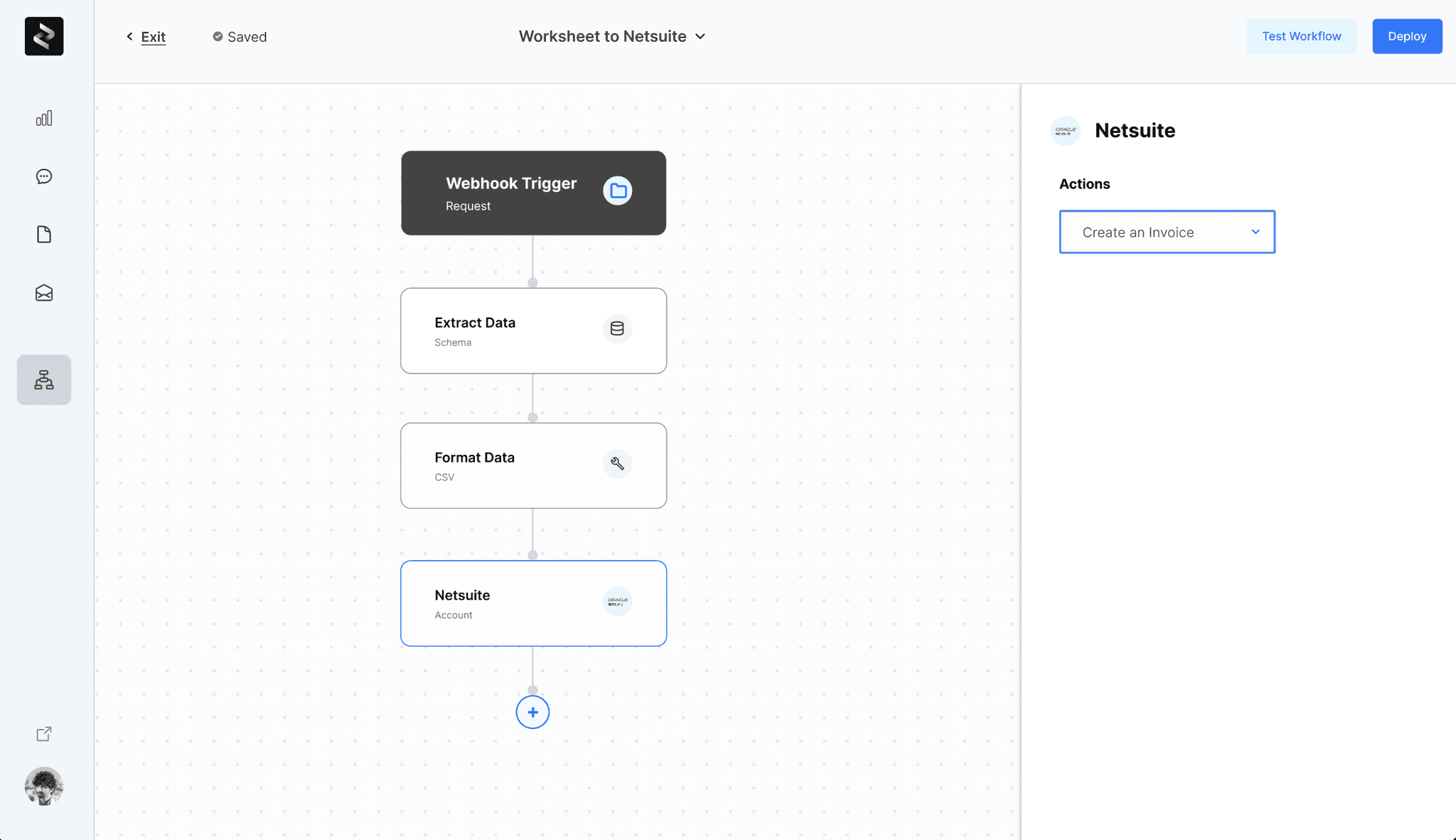
I suggested to Use Schema to aggregate the data, show the error, user will fix and then see the corrected CSV, Excel to use another integration Netsuite to complete the payment for workers.
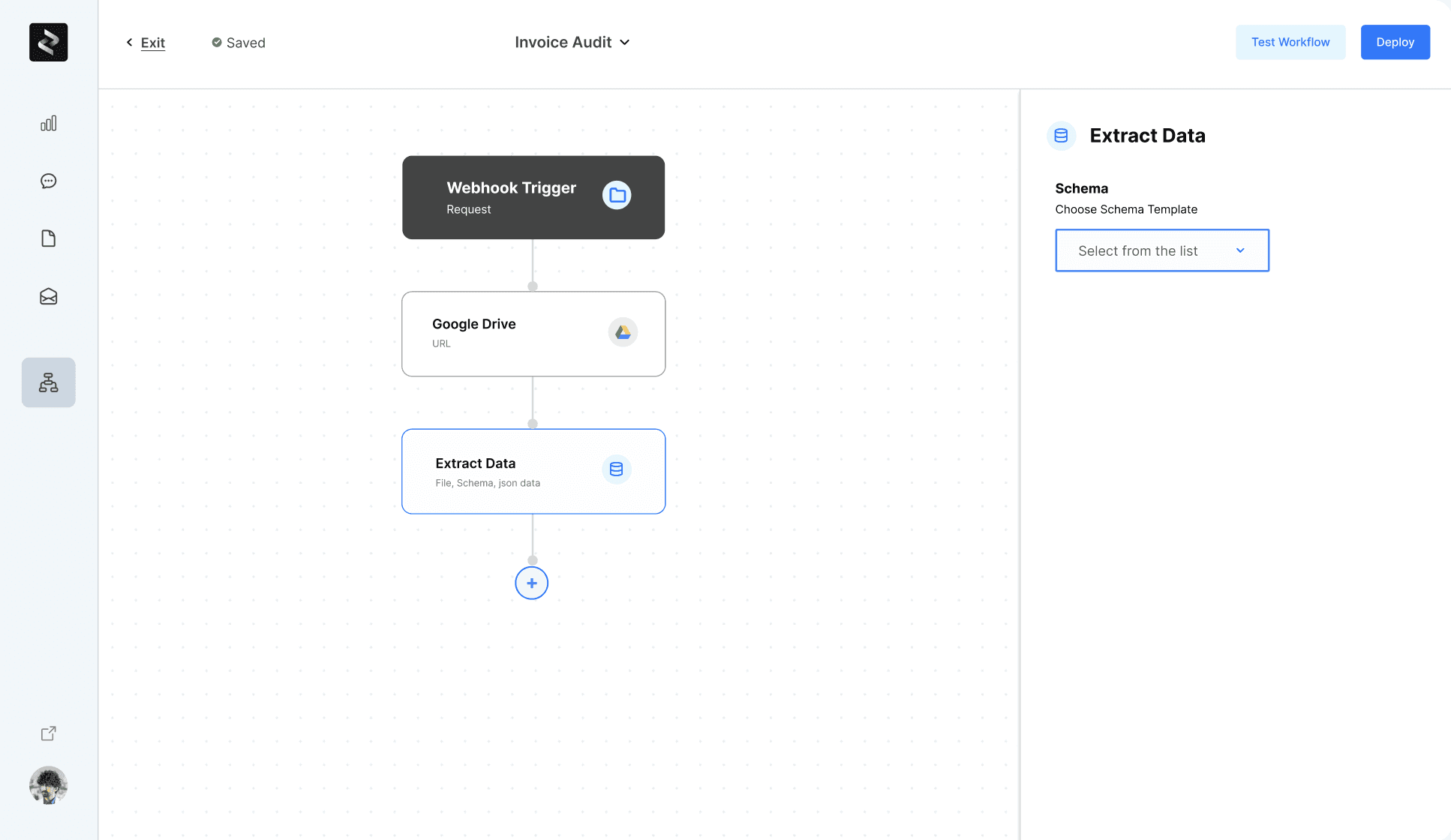
By extracting Data and choose the schema template Titanium can aggregate the data and creat the spreadsheet which ready for the netsuite.

What was the outcome of my design decisions:

By implementing Titanium workflow feature with Schema, Oilrise achieved:

  • Efficiency Gains: Data processing time was reduced by 60%, allowing faster turnaround for customer reports.

  • Accuracy: The structured data matched the original unstructured data with over 98% accuracy, significantly improving data reliability. User can test the Schema ste and see if there is a missmatch.

  • Compliance: Transparent audit trails and detailed reports ensured full compliance with industry regulations.


Schema Implementation

How did I balanced user needs,
business goals, and technical
constraints in design

How did I balanced user needs,
business goals, and technical
constraints in design

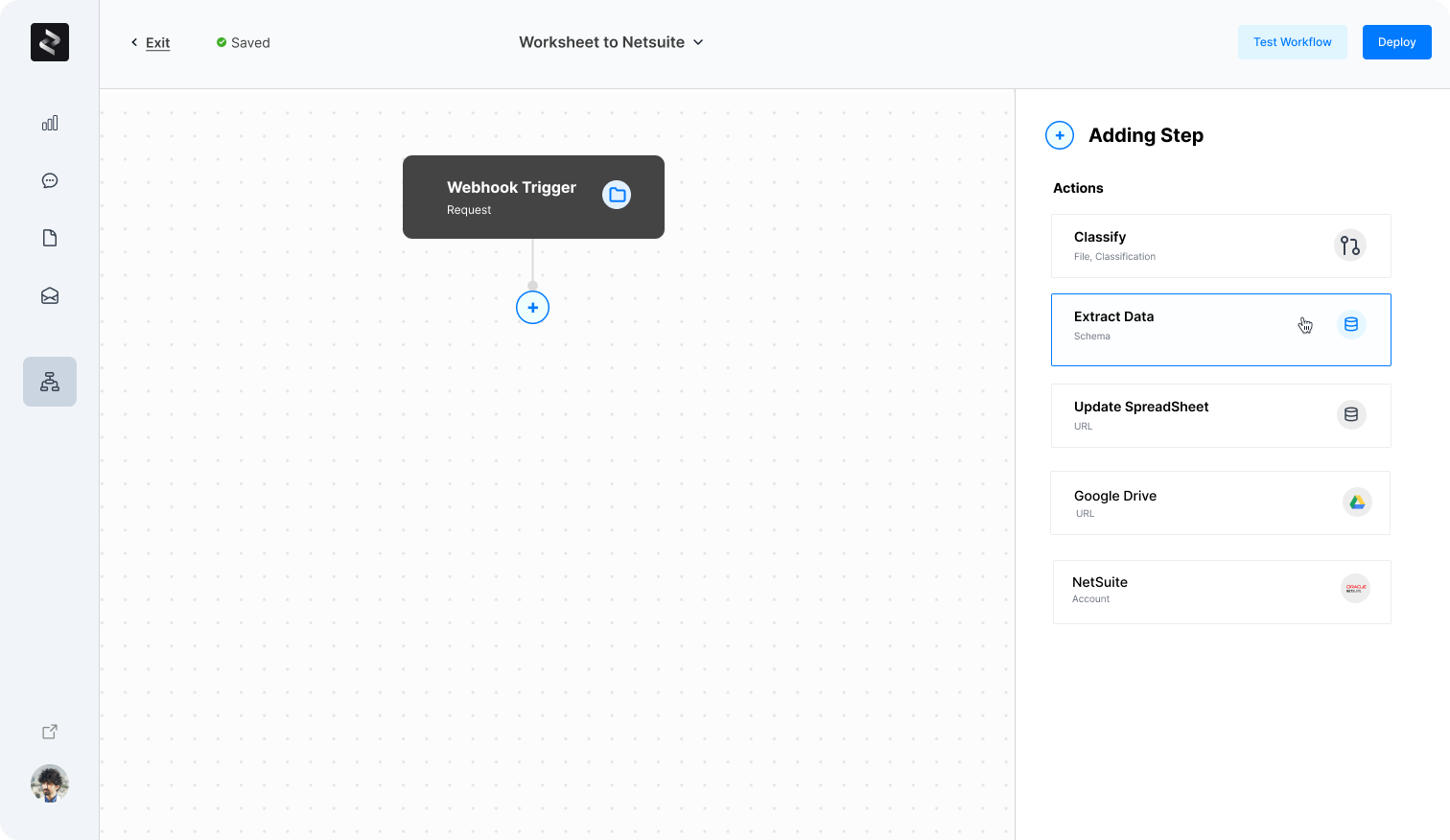
Drag and Drop functionality of the steps to
Create a Workflow

Add Steps with no-code. Just click on Action and you will get a prompt


LLM and AI at Titanium

LargeLanguageModel is the main solution behind the workflow to detect
the words and find the data and structure them!


Thanks for reading a short journey of the designing a
new usecase for the Titanium clients.
As the platform is growing each clients brings new feature and new intergarations,
which great to see how the platform is growing.

Contact

Contact